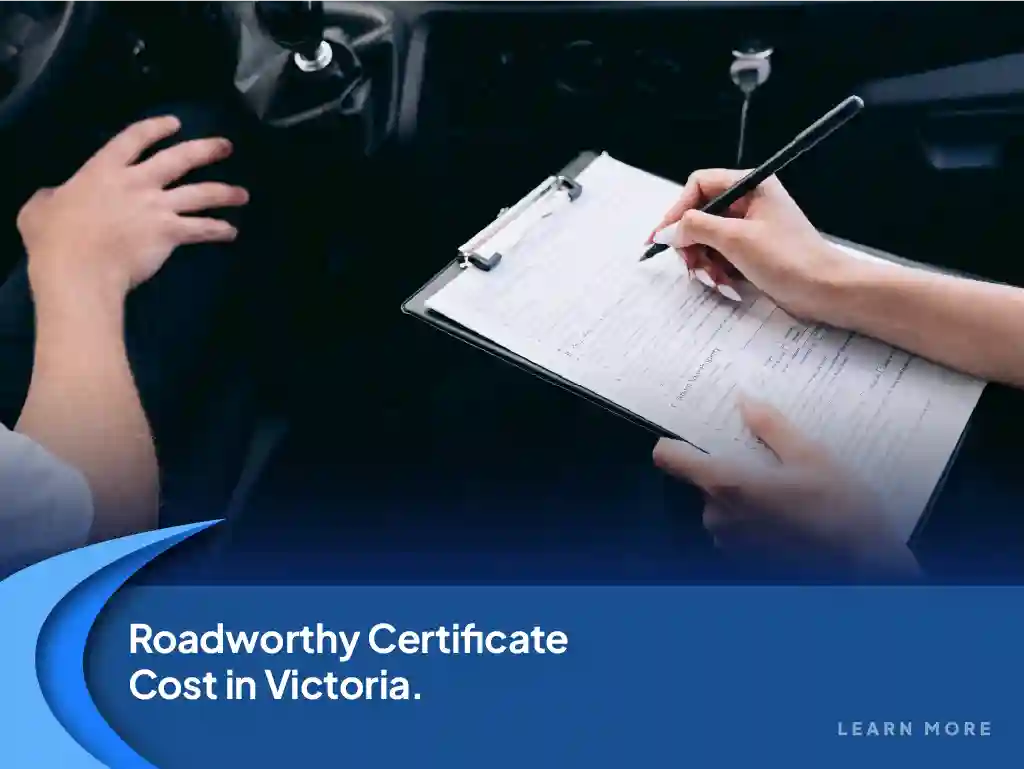

If you are buying, selling, or re-registering a vehicle in Victoria, you have probably wondered, what does a roadworthy inspection cover before vehicle registration in Melbourne? A roadworthy inspection is one of the most important steps in ensuring your vehicle meets the minimum safety standards required for use on Victorian roads. It is not a full mechanical inspection but a safety check that confirms your vehicle is safe to drive and complies with the state’s road safety requirements.
Whether you own a family car, ute, SUV, van, or light commercial vehicle, understanding what inspectors look for can help you avoid unexpected repair costs, pass the inspection the first time, and complete your vehicle registration without unnecessary delays. This guide explains exactly what is checked during a roadworthy inspection in Melbourne and how you can prepare your vehicle.
Why Is a Roadworthy Inspection Important in Melbourne?
A roadworthy inspection helps ensure that every vehicle on Melbourne roads meets Victoria’s minimum safety standards. The inspection protects not only the driver but also passengers, cyclists, and other road users by identifying safety-related defects before the vehicle is registered or transferred to a new owner.
In many situations, you will need a Roadworthy Certificate (RWC), including:
- Selling a registered vehicle
- Transferring vehicle ownership
- Re-registering a previously unregistered vehicle
- Registering a vehicle after it has been defected (where applicable)
The inspection focuses on safety, not the overall mechanical condition or appearance of the vehicle.
What Does a Roadworthy Inspection Cover Before Vehicle Registration in Melbourne?
A licensed roadworthy tester carefully examines several important safety components. Below are the main areas included in the inspection.
1. Braking System
Your brakes are one of the first components checked because they directly affect your ability to stop safely.
The inspector will examine:
- Brake pads and discs
- Brake fluid leaks
- Brake hoses and lines
- Handbrake performance
- Overall braking efficiency
If your braking system does not perform safely, the vehicle will fail the inspection until repairs are completed.
2. Steering Components
A safe steering system gives the driver complete control over the vehicle.
During the inspection, the tester checks:
- Steering rack
- Steering wheel movement
- Tie rod ends
- Ball joints
- Power steering components (if fitted)
Any excessive play, looseness, or damage can result in a failed inspection.
3. Suspension System
A worn suspension affects handling, tyre wear, and vehicle stability.
Inspectors check:
- Shock absorbers
- Springs
- Bushings
- Suspension arms
- Mounting points
Damaged or leaking suspension parts must usually be replaced before the vehicle can pass.
4. Tyres and Wheels
Tyres play a vital role in braking and road grip.
The inspection includes checking:
- Tyre tread depth
- Uneven tyre wear
- Cracks or damage
- Correct tyre size
- Wheel condition
Tyres with insufficient tread or serious damage are one of the most common reasons vehicles fail a roadworthy inspection.
5. Lights and Electrical Equipment
Every light must operate correctly to ensure visibility and communication with other drivers.
The inspector checks:
- Headlights
- High beam
- Tail lights
- Brake lights
- Indicators
- Reverse lights
- Number plate lights
Faulty bulbs or damaged light lenses are simple issues that should be fixed before your appointment.
6. Windscreen and Windows
Good visibility is essential for safe driving.
The inspection includes:
- Windscreen cracks
- Stone chips
- Driver visibility
- Windscreen wipers
- Washer system
Large cracks that obstruct the driver’s view usually require windscreen replacement.
7. Seatbelts
Seatbelts are among the most important vehicle safety features.
The inspector checks:
- Seatbelt condition
- Locking mechanism
- Retractor function
- Mounting points
Any damaged or non-functioning seatbelt will result in a failed inspection.
8. Vehicle Structure
Inspectors also examine the overall structural condition of the vehicle.
This includes checking for:
- Rust affecting structural strength
- Accident damage
- Chassis integrity
- Loose body panels
Minor cosmetic dents are generally acceptable, but structural damage is not.
9. Mirrors
The vehicle must provide clear visibility in all directions.
The inspection covers:
- Rear-view mirror
- Side mirrors
- Mirror mounting
- Mirror condition
Broken or loose mirrors must be repaired or replaced.
10. Doors and Latches
All doors must open, close, and lock properly.
Inspectors ensure:
- Doors latch securely
- Hinges operate correctly
- Child safety locks (where applicable)
- Boot or tailgate functions safely
Faulty latches can become a safety hazard during an accident.
What Is NOT Included in a Roadworthy Inspection?
Many people mistakenly believe a roadworthy inspection is a complete mechanical inspection. It is not.
Generally, the inspection does not assess:
- Engine performance
- Transmission condition
- Air conditioning
- Fuel economy
- Interior cleanliness
- Paint condition
- Minor cosmetic damage
A vehicle may pass a roadworthy inspection while still requiring mechanical repairs that are unrelated to road safety.
Common Reasons Vehicles Fail a Roadworthy Inspection in Melbourne
Many failed inspections happen because of simple issues that owners overlook.
Some of the most common reasons include:
- Worn tyres
- Broken lights
- Cracked windscreen
- Oil or brake fluid leaks
- Faulty seatbelts
- Worn suspension components
- Brake problems
- Damaged steering parts
Addressing these problems beforehand can save both time and money.
How to Prepare Your Vehicle Before the Inspection
Preparing your vehicle can improve your chances of passing on the first attempt.
Before booking the inspection:
- Replace blown light bulbs.
- Check tyre tread and tyre pressure.
- Test all indicators and brake lights.
- Replace worn wiper blades.
- Repair windscreen damage.
- Fix warning lights if related to safety.
- Make sure seatbelts operate correctly.
- Check mirrors for cracks.
- Listen for unusual steering or suspension noises.
A basic pre-inspection check often helps identify small issues before they become costly failures.
Who Can Perform a Roadworthy Inspection in Melbourne?
Only a licensed vehicle tester approved in Victoria can issue a Roadworthy Certificate (RWC).
Choosing an experienced inspection provider ensures the inspection follows Victorian safety standards and provides clear guidance if repairs are needed before certification.
How Long Does a Roadworthy Inspection Take?
Most inspections take between 45 and 90 minutes, depending on the vehicle’s condition and type.
If repairs are required, you may need to return for a follow-up inspection after the issues have been fixed.
Can an Older Vehicle Pass a Roadworthy Inspection?
Yes.
Older vehicles can still receive a Roadworthy Certificate if they meet Victoria’s minimum safety standards.
Age alone does not determine whether a vehicle passes. Many older cars successfully pass after replacing worn components such as tyres, brakes, suspension parts, or lighting.
Proper maintenance significantly improves the chances of success.
Why Passing a Roadworthy Inspection Matters
Passing the inspection provides several important benefits.
It helps:
- Improve road safety
- Protect drivers and passengers
- Reduce accident risks
- Simplify vehicle registration
- Increase buyer confidence
- Support smoother ownership transfers
- Ensure legal compliance in Victoria
Whether you’re buying or selling a vehicle, a roadworthy certificate gives everyone greater peace of mind.
Why Passing a Roadworthy Inspection Matters
Passing a roadworthy inspection gives buyers confidence, helps complete vehicle registration smoothly, and confirms that your vehicle meets Victoria’s minimum road safety standards.
For sellers, having a valid Roadworthy Certificate often makes the vehicle easier to sell. For buyers, it provides reassurance that the vehicle has passed an independent safety inspection before registration or ownership transfer.
Final Thoughts
Understanding what does a roadworthy inspection cover before vehicle registration in Melbourne can save you time, reduce stress, and help you prepare your vehicle before booking an inspection. The inspection focuses on critical safety components such as brakes, steering, suspension, tyres, lights, seatbelts, mirrors, and the vehicle’s structure. By fixing small issues in advance and using a licensed roadworthy tester, you improve your chances of passing the inspection the first time and completing your registration without unnecessary delays.
Whether you are selling your car, buying a used vehicle, or registering a previously unregistered car, being prepared is the easiest way to make the process smooth and hassle-free.
FAQs (Frequently Ask Questions)
What does a roadworthy inspection cover before vehicle registration in Melbourne?
A roadworthy inspection covers important safety items including brakes, tyres, steering, suspension, lights, seatbelts, mirrors, windscreen, doors, and the vehicle’s structural condition.
What does a roadworthy inspection cover that causes most vehicles to fail?
Most vehicles fail because of worn tyres, faulty brakes, damaged lights, cracked windscreens, suspension wear, steering issues, or defective seatbelts.
Does a roadworthy inspection cover engine performance?
No. A roadworthy inspection mainly focuses on safety-related components. It does not assess engine performance, transmission health, or general mechanical reliability.
How long does a roadworthy inspection cover take in Melbourne?
Most inspections take between 45 and 90 minutes, depending on the condition of the vehicle and whether any defects are identified.
What does a roadworthy inspection cover before selling a used car?
Before selling a used car, the inspection checks all major safety components required for a Roadworthy Certificate, helping ensure the vehicle meets Victoria’s legal road safety standards.