Buying, selling, or transferring a vehicle in Victoria often requires a roadworthy certificate. Many vehicle owners are unsure about the actual cost, how the inspection works, and what happens if their car fails the test. Understanding the process can save you time, money, and unnecessary stress.
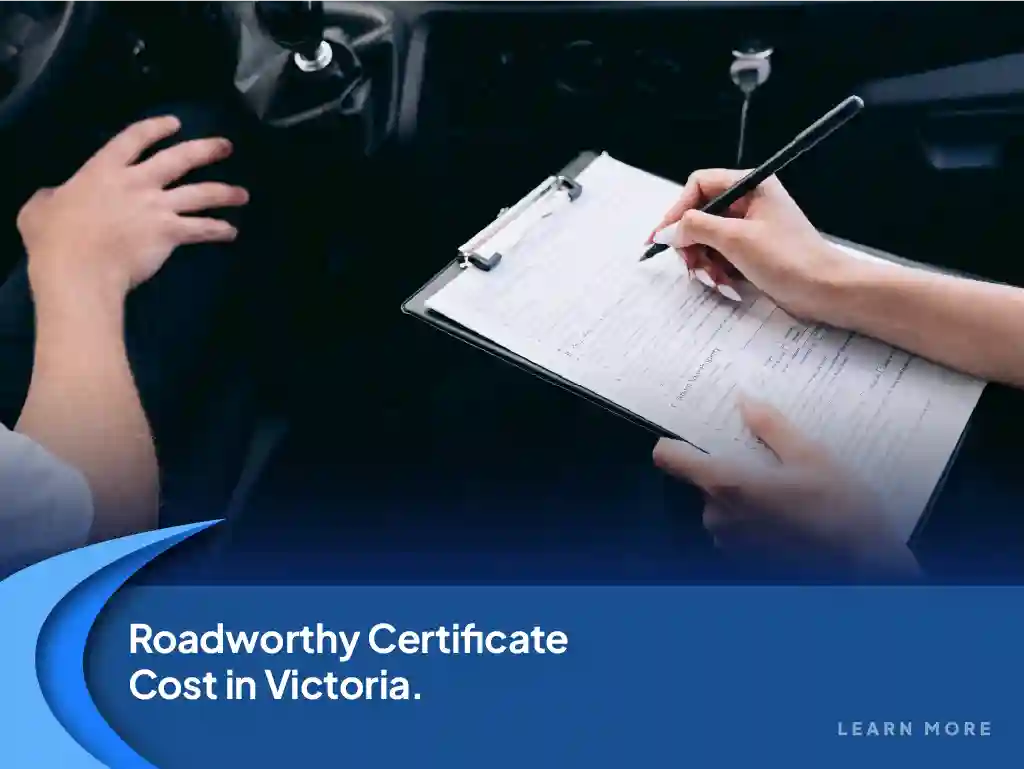
A roadworthy certificate (RWC) confirms that a vehicle meets the minimum safety standards required for use on Victorian roads. It is not a comprehensive mechanical inspection, but it does assess critical safety-related components that affect road users.
In this guide, we explain the roadworthy certificate Victoria cost, the inspection process, common reasons for failure, and how to prepare your vehicle for a successful inspection.
What Is a Roadworthy Certificate?
A roadworthy certificate is an official document issued by a licensed vehicle tester in Victoria. It verifies that a vehicle is safe enough to be driven on public roads and meets the state’s minimum safety requirements.
In most cases, you need a roadworthy certificate when:
- Selling a registered vehicle
- Transferring vehicle ownership
- Re-registering a previously registered vehicle
- Clearing a vehicle defect notice issued by authorities
The certificate remains valid for 30 days from the date of issue.
Who Can Issue a Roadworthy Certificate in Victoria?
Only licensed vehicle testers approved by VicRoads can issue a roadworthy certificate in Victoria.
These testers operate from authorized inspection stations and must follow strict inspection procedures. They assess vehicles according to Victorian road safety standards and issue certificates only when the vehicle meets all required safety criteria.
Before booking an inspection, vehicle owners should confirm that the inspection station is authorized to conduct roadworthy inspections.
What Documents Do You Need for a Roadworthy Inspection?
Preparing the correct documentation can help avoid delays during the inspection process.
You may need:
- Vehicle registration details
- Vehicle Identification Number (VIN)
- Proof of ownership if requested
- Previous inspection reports (if applicable)
- Repair receipts for recently completed work
Although requirements may vary slightly between inspection stations, having these documents available can make the process easier.
How Much Does a Roadworthy Certificate Cost in Victoria?
One of the most common questions people ask is:
How much does a roadworthy certificate cost in Victoria?
Unlike some government-regulated services, there is no fixed statewide price for a roadworthy certificate inspection in Victoria. Licensed testers can set their own inspection fees.
Generally, you can expect to pay:
| Vehicle Type | Estimated Cost Range |
|---|---|
| Standard Passenger Cars | $150 – $250 |
| SUVs and 4WDs | $180 – $300 |
| Commercial Vehicles | $200 – $350+ |
| Motorcycles | $80 – $180 |
The final cost depends on:
- Vehicle type
- Vehicle size
- Inspection provider
- Location within Victoria
- Additional re-inspection requirements
Keep in mind that the inspection fee does not include repair costs if your vehicle fails.
What Does a Roadworthy Inspection Check?
A roadworthy inspection focuses on safety-related components rather than the overall condition of the vehicle.
Licensed testers typically inspect:
Brakes
The braking system must function correctly and safely. Worn brake pads, damaged rotors, or brake fluid leaks can result in failure.
Tyres and Wheels
Inspectors check:
- Tread depth
- Tyre condition
- Uneven wear
- Wheel damage
Steering and Suspension
The vehicle must provide safe handling and control. Damaged suspension parts or steering components may fail inspection.
Lights and Indicators
All lights must operate correctly, including:
- Headlights
- Brake lights
- Tail lights
- Indicators
- Reverse lights
Windscreen and Wipers
The windscreen must not have damage that obstructs the driver’s view. Wipers and washers must operate properly.
Seats and Seatbelts
Seatbelts must be functional and free from defects. Seats must be securely mounted.
Vehicle Structure
Inspectors examine the body and chassis for excessive rust, structural damage, or unsafe modifications.
What Is the Process of Getting a Roadworthy Certificate in Victoria?
Step 1: Book an Inspection
Contact a licensed vehicle tester and schedule a roadworthy inspection appointment.
Step 2: Present Your Vehicle
Bring your vehicle to the inspection centre at the scheduled time.
Step 3: Vehicle Assessment
The tester will inspect all required safety-related components.
Step 4: Receive Results
After inspection, one of two outcomes will occur:
Pass
If your vehicle meets all safety requirements, the tester issues a roadworthy certificate.
Fail
If defects are found, you will receive a report outlining the required repairs.
Step 5: Complete Repairs
Repair the identified defects before returning for re-inspection.
Step 6: Re-inspection
Once repairs are completed, the vehicle is re-checked to verify compliance.
What Happens If Your Vehicle Fails the Roadworthy Inspection?
Many vehicles fail their first inspection due to minor issues.
Common reasons include:
- Worn tyres
- Faulty lights
- Damaged windscreen
- Worn brake components
- Steering issues
- Suspension problems
- Seatbelt defects
- Oil leaks affecting safety components
A failed inspection does not mean your vehicle is worthless. It simply means repairs are required before a roadworthy certificate can be issued.
How Can You Improve Your Chances of Passing?
Before booking your inspection:
Check All Lights
Replace blown bulbs and ensure indicators function correctly.
Inspect Tyres
Ensure tread depth meets legal requirements and tyres show no significant damage.
Test Brakes
Listen for unusual noises and address any braking concerns.
Check Wipers
Replace worn wiper blades and refill washer fluid.
Inspect Seatbelts
Confirm seatbelts lock properly and retract smoothly.
Repair Visible Damage
Fix safety-related defects before inspection.
These simple checks can reduce the risk of failure and additional costs.
Is a Roadworthy Certificate Required When Selling a Car in Victoria?
Yes, in most situations, sellers must provide a valid roadworthy certificate when transferring ownership of a registered vehicle.
Without a valid certificate, the buyer may face difficulties completing the transfer process.
If your vehicle requires expensive repairs to obtain a roadworthy certificate, selling it to a professional car buyer or car removal service may be a practical alternative.
Can You Sell a Car Without a Roadworthy Certificate?
Yes, but conditions apply.
You can often sell a vehicle without a roadworthy certificate if:
- The buyer agrees to purchase it without one.
- The vehicle is sold as unregistered.
- The vehicle is sold to licensed car wreckers or cash-for-cars companies.
Many vehicle owners choose this option when repair costs exceed the vehicle’s value.
How Long Does It Take to Get a Roadworthy Certificate?
The inspection itself usually takes between 45 minutes and 90 minutes, depending on the vehicle type and condition.
If repairs are required, the overall process may take several days before the certificate can be issued.
Is a Roadworthy Certificate the Same as a Mechanical Inspection?
No.
A roadworthy certificate inspection focuses only on minimum safety requirements.
A full mechanical inspection examines:
- Engine condition
- Transmission
- Cooling system
- Electrical systems
- Overall mechanical performance
Therefore, a vehicle with a roadworthy certificate can still have mechanical issues that are not covered during the inspection.
Final Thoughts
Obtaining a roadworthy certificate in Victoria is an essential step when selling, transferring, or re-registering a vehicle. While costs vary depending on the inspection provider and vehicle type, most vehicle owners can expect to pay between $150 and $300 for a standard inspection.
Understanding the inspection process, addressing common defects beforehand, and choosing a licensed tester can help you avoid delays and additional expenses. Whether you’re preparing a vehicle for sale or ensuring legal compliance, a roadworthy certificate provides confidence that your vehicle meets Victoria’s minimum road safety standards.
FAQs (Frequently Askk Questions)
How long is a roadworthy certificate valid in Victoria?
A roadworthy certificate is generally valid for 30 days from the date of issue.
What does a roadworthy certificate inspection check?
A roadworthy certificate inspection checks brakes, tyres, steering, suspension, lights, seatbelts, windscreen, and other safety-related components.
Can I sell a car without a roadworthy certificate in Victoria?
Yes, under certain circumstances, such as selling the vehicle unregistered or to a car removal company.
How long does a roadworthy certificate inspection take?
Most roadworthy certificate inspections take between 45 and 90 minutes.
What happens if my vehicle fails the roadworthy certificate inspection?
You will receive a defect report and must complete repairs before obtaining a roadworthy certificate.