When a car won’t start, the cause is usually one of three things: the battery, the starter motor or the alternator. A battery is the cheapest fix at roughly $150 to $500 fitted. A starter motor runs about $400 to $600, and an alternator about $585 to $850 or more. On a car worth a few thousand dollars those numbers are manageable. On a 15-year-old car with other faults, the repair can cost more than the car is worth.
Why Won’t My Car Start? The 5 Most Common Causes
Flat or dead battery – by far the most common cause, especially on cars that sit unused or do only short trips.
Failed starter motor – the electric motor that turns the engine over when you turn the key.
Failed alternator – it charges the battery while the engine runs. When it fails, the battery drains and the car eventually won’t start.
Fuel or ignition problems – an empty tank, a failed fuel pump, blocked injectors, or worn spark plugs and coils.
Something bigger – a seized engine, a snapped timing belt or a major electrical fault. These are the expensive ones.
Battery, Starter or Alternator? How to Tell the Difference
What you hear and see when you turn the key narrows it down quickly.
What happens | Most likely cause | What else to look for |
|---|---|---|
Rapid clicking, lights dim or dead | Flat or dead battery | Interior lights weak, dash warning lights flicker |
One loud click, engine doesn’t turn | Starter motor (or its solenoid) | Lights and electrics still work normally |
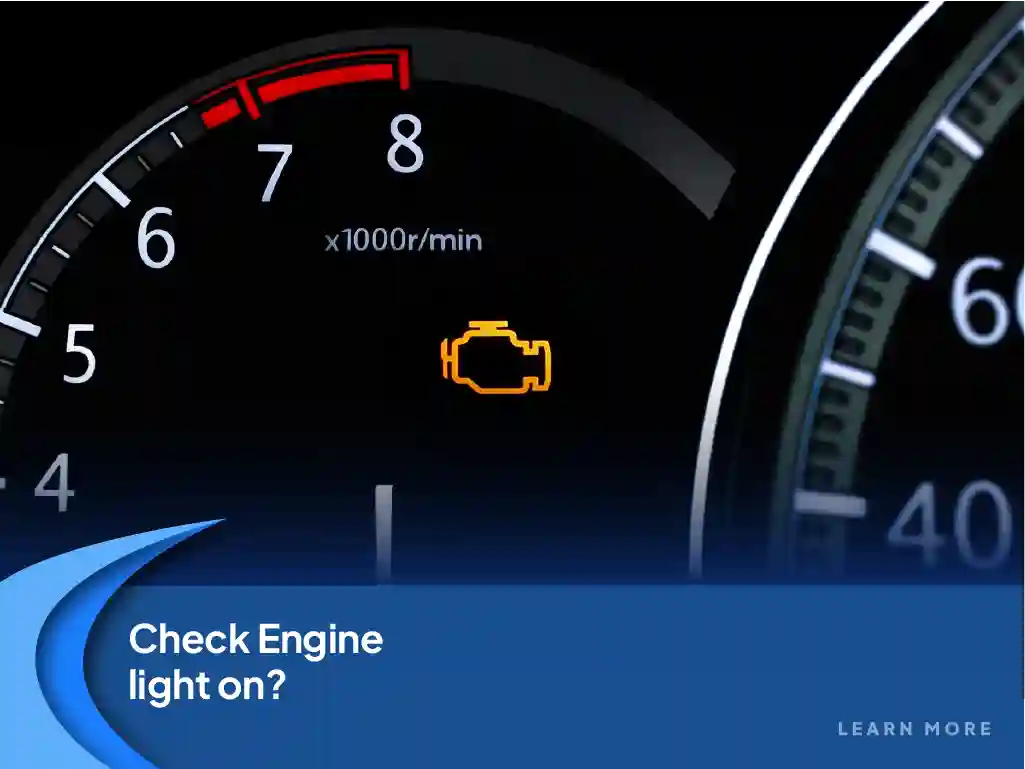
Engine cranks normally but won’t fire | Fuel or ignition fault | Fuel gauge, recent misfiring, check engine light |
Car died while driving, then wouldn’t restart | Alternator | Battery warning light was on, headlights dimmed, power steering heavy |
Nothing at all – no lights, no sound | Dead battery, bad terminal or main fuse | Corroded or loose battery terminals |
Grinding or whirring when starting | Starter motor | Starter spins but doesn’t engage the engine |
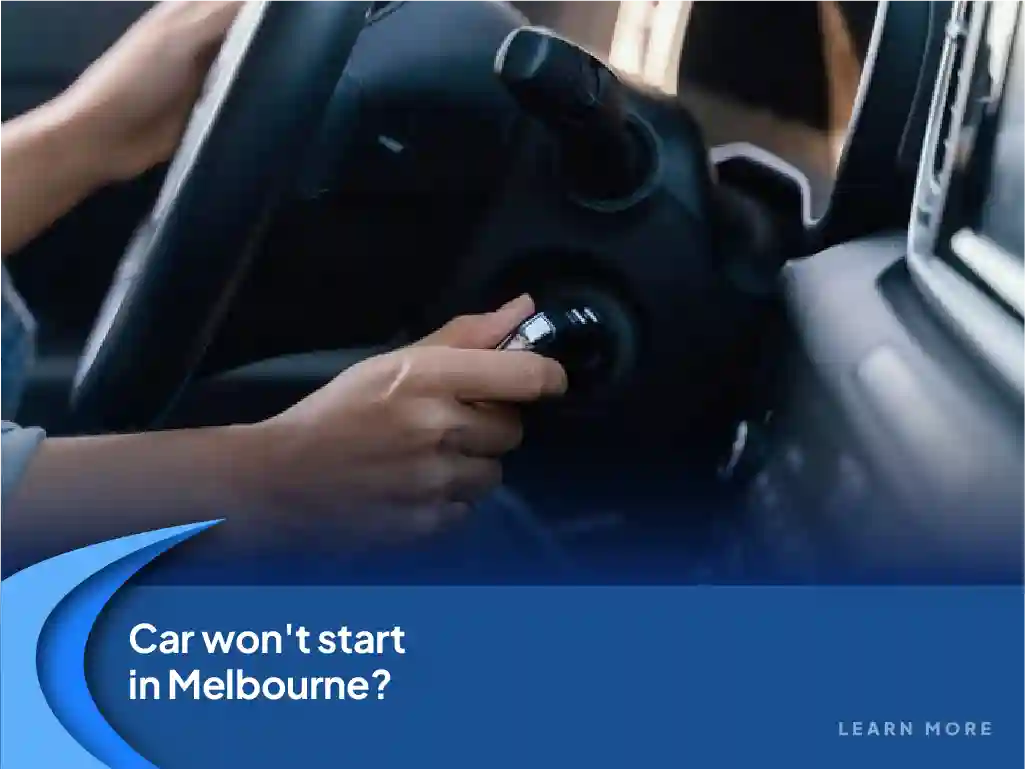
Clicking noise when you turn the key
Rapid clicking almost always means the battery doesn’t have enough power to turn the engine. A single heavy click more often points to the starter motor or its solenoid.
Engine cranks but won’t fire
If the engine turns over at normal speed but never catches, the battery and starter are doing their jobs. The problem is more likely fuel, spark or a sensor fault.
The battery light was on before it died
A battery warning light while driving is a charging-system warning, not a battery warning. It usually means the alternator has stopped charging. The car runs on battery power alone until it goes flat, then stops.
Starter motor symptoms
AutoGuru lists these signs that a starter motor needs replacing: the starter spins but doesn’t engage the flywheel, the starter begins to turn the engine then “kicks out”, or the starter grinds for a second after the engine is running.
What It Costs to Fix a Car That Won’t Start
Repair | Typical cost in Australia | Source |
|---|---|---|
Car battery (including fitting) | $150–$500 | AutoGuru |
Enhanced flooded battery (EFB) | $250–$400 | AutoGuru |
Starter motor replacement | $400–$600 (more on luxury models) | AutoGuru |
Alternator replacement | $585–$850+ | AutoGuru |
Battery type: flooded lead-acid | $150–$300 | AutoGuru |
Battery type: absorbent glass mat (AGM) | $350–$500+ | AutoGuru |
On top of the parts, most workshops charge separately to diagnose the fault, priced on the time it takes. Ring two or three for a quote before you commit.
Two things push the total higher. First, these faults often arrive together – a failing alternator ruins the battery, so you end up paying for both. Second, if the car won’t move, you also pay for towing to the workshop before any work starts.
How Long Do Car Batteries Last?
Most car batteries last somewhere between three and five years in Australian conditions. Heat is hard on batteries, and so are lots of short trips, because the alternator never gets long enough to fully recharge. A car left parked for weeks at a time will often go flat even if the battery itself is healthy.
Signs your battery is near the end:
- The engine cranks slowly, especially on cold mornings
- Headlights dim at idle and brighten when you rev
- You’ve needed a jump start more than once
Can a Jump Start Fix It?
A jump start is a test as much as a fix. If the car starts and keeps running, the battery was flat. If it starts and then dies again shortly after, the alternator probably isn’t charging. If it won’t jump start at all and you hear a single click, suspect the starter motor.
Jump starting a car doesn’t fix the underlying fault. If the battery keeps going flat, something is draining or not charging it.
When a Car That Won’t Start Isn’t Worth Fixing
A rough rule of thumb: if the repair quote is more than about half of what the car is worth, selling it usually makes more financial sense than fixing it. Use this table as a starting point and compare it against a written quote.
Your situation | Usually makes sense to… |
|---|---|
Battery is flat, car is otherwise healthy | Replace the battery |
Starter or alternator on a car worth well above the repair cost | Repair it |
Alternator and battery needed on a high-km car | Compare the quote with a cash offer |
Car also needs a roadworthy, tyres or brakes | Sell it as-is – the costs stack up fast |
Engine won’t turn at all (suspected seizure) | Sell it as-is – engine replacement is one of the most expensive repairs |
Car has been sitting unused for a year or more | Get a quote both ways before spending anything |
Don’t forget the hidden costs. Towing to a workshop, a diagnostic fee, and a second tow if the repair isn’t worth doing all come out of your pocket before you’ve fixed anything.
How Long Can a Car Sit Before It Won’t Start Again?
A few weeks is usually fine. Beyond a couple of months, the battery often goes flat, tyres develop flat spots, fuel degrades, brakes can seize to the discs and rodents sometimes chew wiring. A car that’s been parked for a year or more frequently needs far more than a battery to get going again – which is why many owners of long-parked cars choose to sell rather than revive them.
Selling a Non-Running Car in Melbourne
You don’t need to get the car started before you sell it. City Cash 4 Cars buys non-running cars every week and tows them away for free, so you’re not paying for a tow to a mechanic to find out whether the repair is worth it.
What affects your offer:
- Make, model, year and kilometres
- What’s wrong – a flat battery affects the price far less than a seized engine
- Overall condition – body, interior, tyres and whether anything else is broken
- Completeness – a car with all its parts is worth more than one that’s been stripped
The most common causes are a flat battery, a failed starter motor or a failed alternator. Rapid clicking usually means the battery; a single click usually means the starter; and a car that died while driving usually means the alternator. Fuel, ignition and sensor faults can also stop a car starting.How City Cash 4 Cars Buys Cars That Won’t Start
City Cash 4 Cars is a Melbourne car removal company based in Campbellfield, VIC, that buys old, damaged, faulty and unwanted vehicles and provides free towing across Melbourne. We buy cars that won’t start, won’t move and haven’t run in years.
Tell us what’s happening – make, model, year, kilometres and what the car does when you turn the key. Call +61 457 063 569 or request a free quote online.
Get an upfront quote based on the car’s real condition.
We tow it free from your driveway, garage, street or workplace anywhere in Melbourne.
We handle the paperwork and you get paid when we collect your car.
Frequently Asked Questions
How much is an alternator in Australia?
An alternator replacement typically costs between about $585 and $850 or more, depending on the vehicle and how much has to be removed to reach it. Luxury and European models often cost more.
How much does a starter motor cost?
A starter motor replacement averages around $400 to $600 fitted, though specialty and luxury models can be significantly more.
Why won’t my car start even with a new battery?
If a new battery doesn’t fix it, the problem is usually elsewhere – a failed alternator that drains the new battery, a faulty starter motor, a bad earth or terminal connection, or a fuel or ignition fault. Have it diagnosed before buying more parts.
How do I know if my alternator is bad?
Common signs are a battery warning light while driving, headlights that dim at idle, heavy power steering, electrical items cutting out, and a car that dies while driving and won’t restart. A mechanic can test the alternator’s charging output.
Car won’t start and just makes a clicking noise – what is it?
Rapid clicking almost always means there isn’t enough battery power to turn the engine, so start with the battery and its terminals. A single loud click with normal lights more often points to the starter motor or solenoid.
Can I sell a car that won’t start?
Yes. City Cash 4 Cars buys cars that won’t start, won’t drive or have been parked for years. You don’t need to repair or jump start anything first, and we tow it away free

We are a Melbourne based vehicle removal company helping individuals and businesses remove unwanted vehicles quickly and responsibly. We handle pickup, paperwork, and removal with a simple, transparent process.