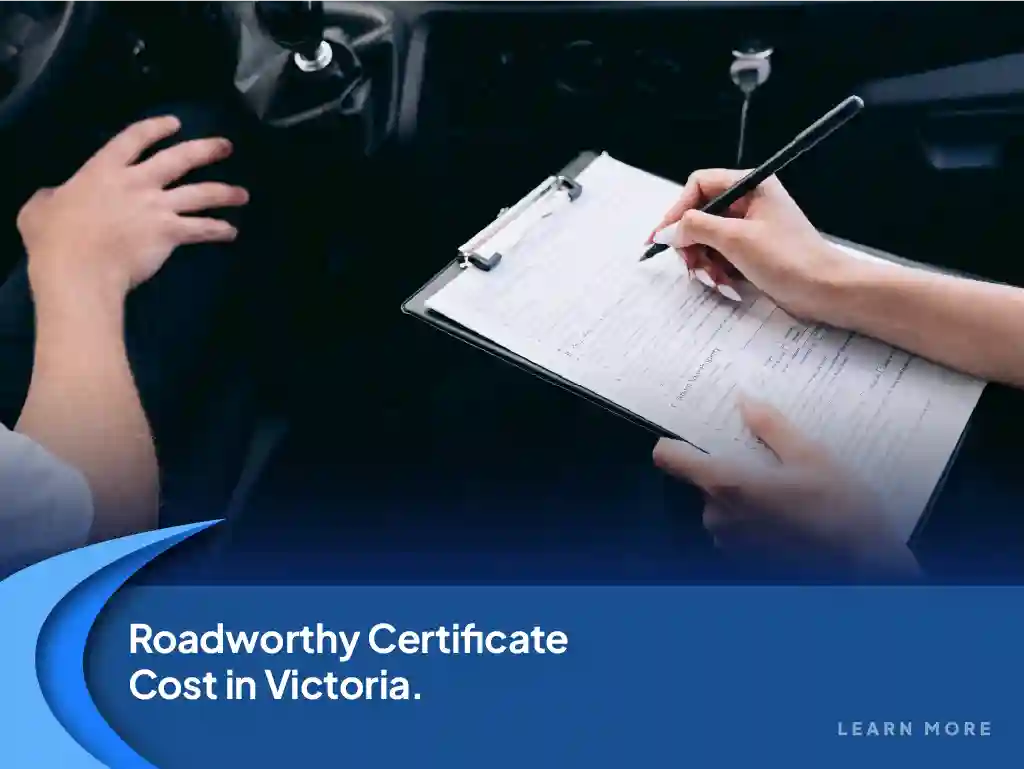

A roadworthy certificate in Victoria generally costs somewhere from about $150 to $320 or more, depending on the vehicle and the tester. There is no fixed price. Transport Victoria sets the safety standards, not the fee, so every licensed vehicle tester charges their own rate. The inspection is rarely the expensive part, though. The repairs needed to pass are what catch most owners out, and on an older car those can easily cost more than the car is worth.
What Is a Roadworthy Certificate (RWC) in Victoria?
A certificate of roadworthiness (CoR), usually called a roadworthy certificate or RWC, is issued by a licensed vehicle tester after your car passes a safety inspection. According to Transport Victoria, it certifies that at the time of inspection the vehicle meets the required standards and is fit for use on the road. Importantly, it is not an inspection of the car’s mechanical quality, reliability or cosmetic condition (Transport Victoria, VSI 26).
In Victoria, a certificate of roadworthiness is generally required when a vehicle is sold or re-registered, or as part of a mandatory periodic inspection for a bus or taxi (Transport Victoria). It is also used to clear a vehicle defect notice (VicRoads).
How Much Does a Roadworthy Certificate Cost in Victoria?
There is no government-set price. Transport Victoria states plainly that the cost depends on the age, type and condition of the vehicle being examined, that the fee can vary significantly, and that it is wise to get a quote before you book (Transport Victoria).
Published Australian pricing gives a realistic picture of what to expect:
|
Source |
Price |
What it covers |
|---|---|---|
|
Coastwide RWC state-by-state guide |
$150–$200 for Victoria, noted as varying widely |
Victoria’s inspections are described as the most detailed in the country |
|
CARS24 Melbourne – sedans, hatches and small SUVs (2015 and newer) |
From $227 |
Safety inspection, report, 30-day certificate, free 14-day re-inspection |
|
CARS24 Melbourne – sedans, hatches and small SUVs (2010–2015) |
From $273 |
As above |
|
CARS24 Melbourne – large SUVs, utes and vans (2010–2015) |
From $318 |
As above |
|
CARS24 Melbourne – same-day service |
Add $100 |
Surcharge on top of the inspection price |
Prices checked October 2026. Sources: Coastwide RWC, CARS24 Melbourne. Always get a written quote from the tester before you book — older and larger vehicles cost more to inspect.
What the inspection fee covers
The fee covers the safety inspection itself and, if your vehicle passes, the issue of the certificate. It does not include any repairs. If your car fails, the repair bill is separate and is usually far larger than the inspection fee.
Why prices vary across Melbourne
- Each tester sets their own fee. Licensed vehicle testers price according to their costs, equipment and experience.
- Vehicle type and age. Older cars, commercial vehicles and specialty vehicles can take longer to inspect.
- Location. Metropolitan workshops may price differently from outer-suburban ones.
- Extra services. Some workshops bundle the RWC with a service or pre-purchase inspection.
What Does a Roadworthy Inspection Cover?
The inspection targets safety-related systems only. Before a certificate can be issued, the vehicle must be found to be within manufacturer’s specifications and free of excessive wear, severe deterioration and alterations that would make it unsafe for normal use on the road (Transport Victoria).
In practice, a tester typically checks:
- Wheels and tyres – tread depth, condition and correct fitment
- Brakes – pads, discs, lines and handbrake
- Steering and suspension – ball joints, bushes, shock absorbers
- Lights and reflectors – headlights, indicators, brake and tail lights
- Windscreen and windows – cracks, chips and visibility
- Wipers and washers
- Seats and seatbelts
- Vehicle structure and body – including rust in structural areas
- Other safety-related items on the body, chassis or engine, such as leaks
What Commonly Fails a Roadworthy in Victoria?
Most failures come down to ordinary wear. The items below are the ones that most often turn a $200 inspection into a four-figure repair bill:
- Worn or illegal tyres, including the spare
- Worn brake pads, scored discs or a weak handbrake
- Worn front suspension or steering components
- Blown globes and faulty indicators or brake lights
- A cracked or chipped windscreen in the driver’s line of sight
- Perished or torn wiper blades
- Oil, coolant or brake fluid leaks
- Structural rust
- Frayed or non-retracting seatbelts
If your car fails, the tester gives you a report listing the defects. There is a deadline worth knowing: VicRoads states that if the vehicle is re-inspected by the licensed vehicle tester within 14 days, you won’t need to pay the full fee again (VicRoads). So fix everything on the report at once and get back inside that window, rather than working through the list item by item.
How Long Does a Roadworthy Certificate Last in Victoria?
A certificate of roadworthiness is current, for the purposes of a transaction, for 30 days from the date of issue (Transport Victoria). If your sale or transfer isn’t completed inside that window, you need a new inspection.
That 30-day limit matters when you’re selling. If you get an RWC and then your car takes six weeks to sell privately, you may have to pay for a second inspection.
Failed Your Roadworthy? You Have Three Options
Option 1: Repair the car and re-inspect
This makes sense when the defects are minor and cheap, such as globes, wipers or a single tyre, and the car is otherwise in good shape. Get a written repair quote first so you know the full number before you commit.
Option 2: Sell it privately without an RWC
In Victoria you can advertise and sell an unroadworthy car privately, but the sale has to be handled correctly and the buyer takes on the job of getting it roadworthy and registered. Our guide to selling a car in Victoria without an RWC explains how this works. Expect fewer buyers and lower offers, because you’re asking someone else to take on an unknown repair bill.
Option 3: Sell it as-is to a car removal company
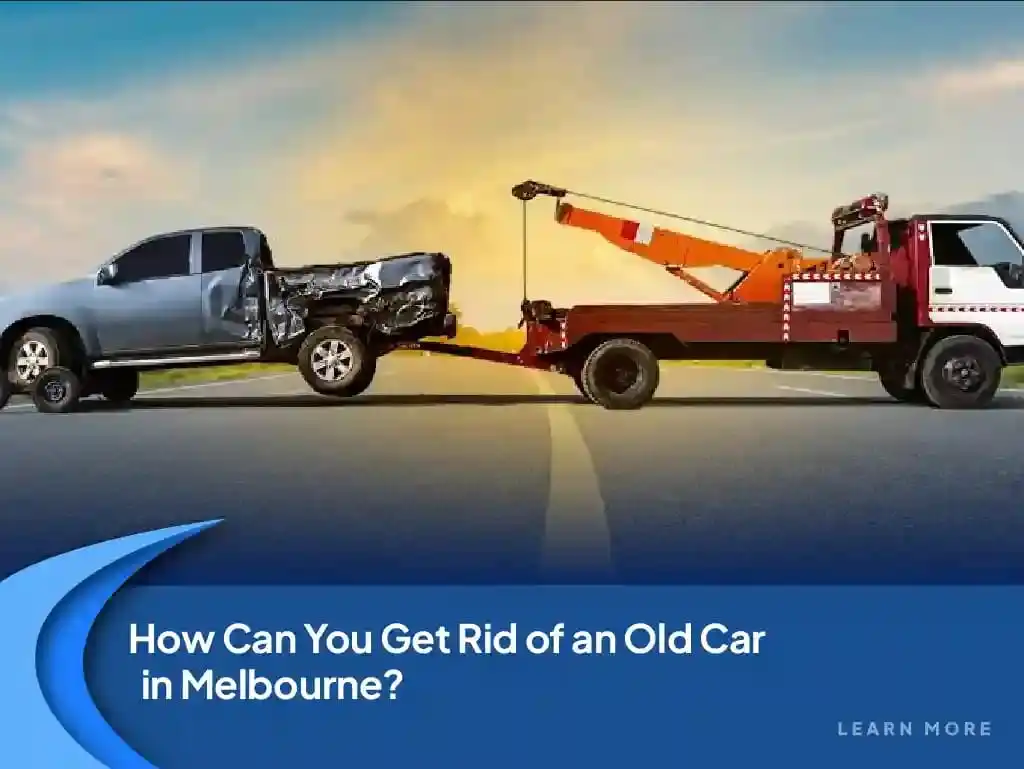
A car removal company buys the car in its current condition. No roadworthy certificate, no repairs, no re-inspection. This is usually the best option when the repair quote is a large share of what the car is worth, or when you simply want the car gone this week.
When RWC Repairs Cost More Than the Car Is Worth
Use this as a starting point, then compare your actual repair quote against a cash offer for the car.
|
Your situation |
Usually makes sense to… |
|---|---|
|
A few cheap defects (globes, wipers, one tyre) on a car in good condition |
Repair and re-inspect |
|
Brakes and tyres needed on a car worth well above the repair cost |
Repair and re-inspect |
|
Repair quote is more than about half the car’s value |
Sell it as-is |
|
Structural rust found |
Sell it as-is – structural rust repairs are expensive and rarely worth it |
|
Suspension, brakes and tyres all needed at once on a high-km car |
Compare the quote with a cash offer before spending anything |
|
Car is already unregistered and off the road |
Sell it as-is – you’d also be paying to re-register |
A useful sanity check: add the inspection fee, the repair quote and a possible second inspection together. That total is what it really costs to get the car roadworthy. Compare that with what the car would sell for afterwards, and with what you’d get for it today as-is.
Do You Need a Roadworthy to Sell Your Car in Victoria?
For a normal private sale of a registered vehicle, yes — an RWC is generally required when a vehicle is sold. But there are situations where you don’t need one, including selling a car that is already unregistered, and selling to a licensed motor car trader or a car removal company that buys vehicles as-is.
City Cash 4 Cars does not require a roadworthy certificate. We buy cars that have failed their RWC, cars that would never pass one, and cars that haven’t been registered for years. For the paperwork side, see what documents you need to sell a car in Victoria.
How City Cash 4 Cars Buys Cars Without a Roadworthy
City Cash 4 Cars is a Melbourne car removal company based in Campbellfield, VIC, that buys old, damaged, faulty and unwanted vehicles and provides free towing across Melbourne. You don’t need an RWC, and you don’t need to fix anything first.
- Tell us about your car – make, model, year, kilometres and what failed the roadworthy. Call +61 457 063 569 or request a free quote online.
Frequently Asked Questions
How much is a roadworthy certificate in Victoria?
Published pricing puts a Victorian RWC from about $150 to $320 or more. A state-by-state guide lists Victoria at $15$200 while noting it varies widely, and CARS24’s Melbourne pricing starts at $227 for a newer small car and rises to $318 or more for a large SUV, ute or van. There is no government-set price, so get a quote before booking.
What does a roadworthy inspection cover?
It covers safety-related items: tyres and wheels, brakes, steering and suspension, lights and reflectors, windscreen and windows, wipers, seats and seatbelts, vehicle structure and body, and other safety items such as leaks. It is not a full mechanical or reliability inspection.
How long does a roadworthy last in Victoria?
A certificate of roadworthiness is current for 30 days from the date it is issued. If the sale, transfer or re-registration isn’t completed within that window, you’ll need a new inspection.
How long does a roadworthy take?
A straightforward inspection on a car in good condition usually takes under an hour, but it depends on the workshop’s booking schedule and the vehicle. If defects are found, the time to repair and re-inspect is on top of that.
Can you sell a car in Victoria without a RWC?
Yes, in some situations. An unregistered car can be sold without one, and car removal companies and licensed motor car traders buy vehicles as-is. For a standard private sale of a registered car, a roadworthy certificate is generally required.
How old can tyres be for a roadworthy?
There is no single age limit that applies to every vehicle. The tester assesses tread depth, condition, damage and correct fitment against the standards in VSI 26 – so an older tyre can fail on cracking or perishing even with legal tread remaining.
Is my car roadworthy after an accident?
Not necessarily. A roadworthy certificate only certifies the vehicle on the day it was inspected. After a collision, the car needs to be assessed and repaired before it can pass. If the damage is significant, compare the repair cost with a cash offer – see our accident car removal service.